
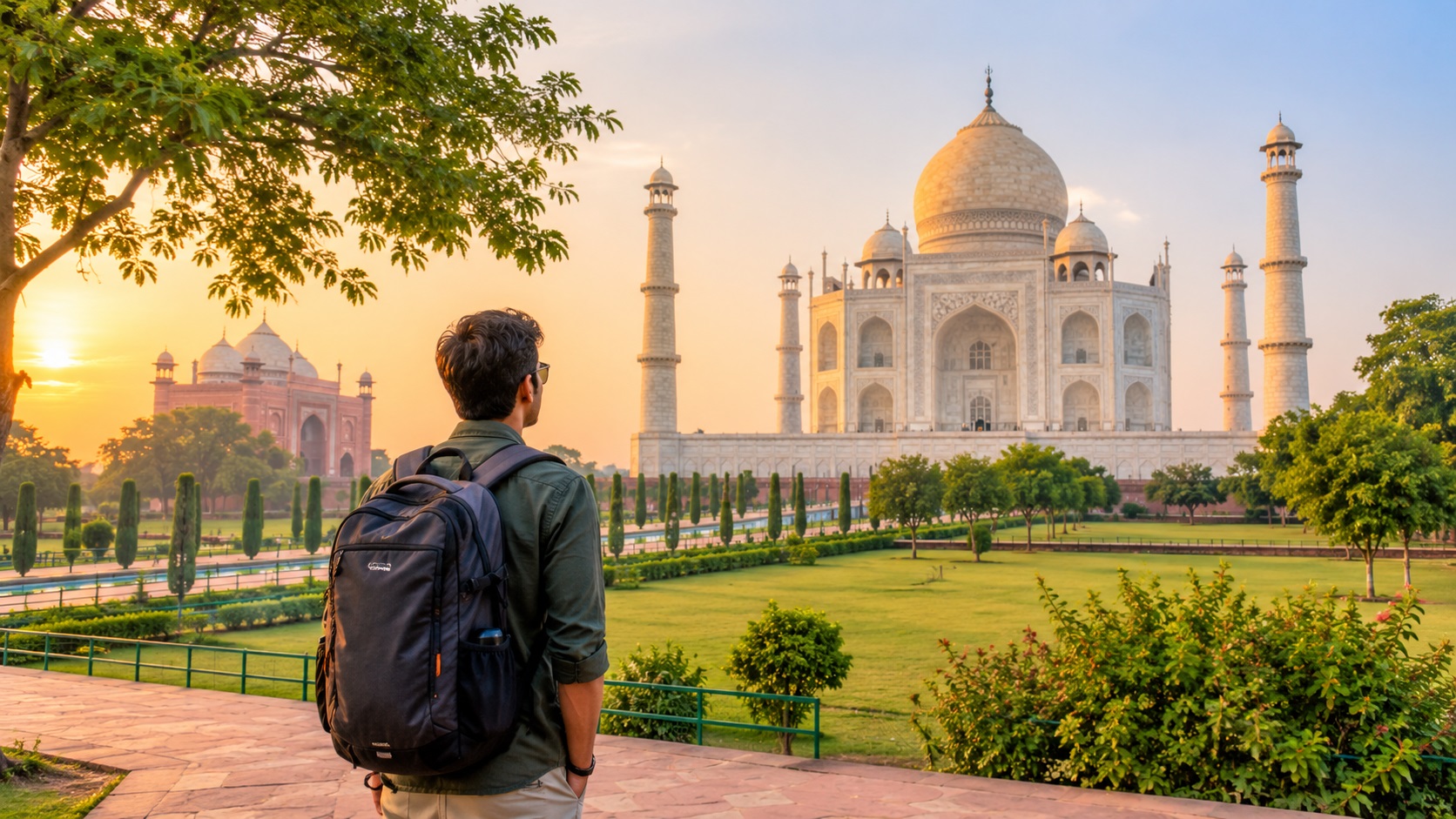
Discover the quieter side of Agra through hidden heritage spots, local experiences, peaceful streets and flexible solo journeys.
Most visitors arrive in Agra with one clear image in mind: the white marble silhouette of the Taj Mahal. Yet solo travel in Agra offers something richer when you look past that iconic view. The city in Uttar Pradesh, India, holds layers of Mughal history, quieter gardens, lively markets and streets that reward unhurried exploration. For solo travellers, backpackers and anyone seeking a more personal journey, Agra reveals its character once the first famous monument is left behind.
This guide focuses on the quieter side of the city—places that suit independent exploration, flexible pacing and genuine local texture—while offering practical advice for a thoughtful solo trip.
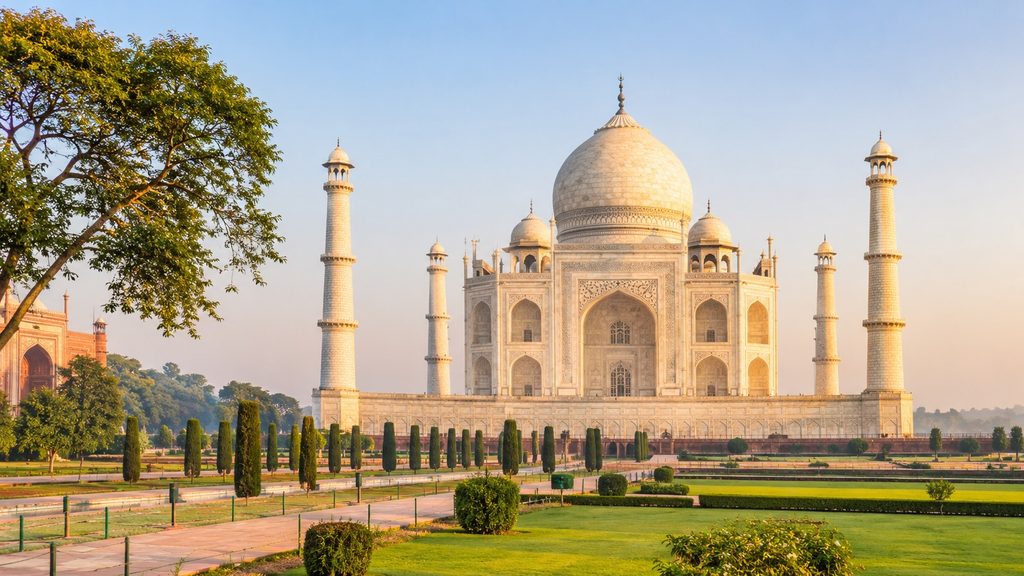
Why Agra Is More Than Just the Taj Mahal?
Agra served as a key centre of Mughal power for more than a century. Emperors built forts, tombs and gardens that still define the city’s skyline and cultural identity. The red sandstone walls of Agra Fort, the delicate marble of smaller tombs and the planned gardens along the Yamuna River all form part of a larger story of architecture, craftsmanship and imperial life.
These monuments sit within a living city. Narrow lanes lead to spice markets, roadside eateries serve simple local meals, and the rhythm of daily life continues around the heritage sites. Understanding this broader context turns a standard sightseeing stop into a deeper experience of Agra heritage tourism. Solo travellers often find that the city’s real appeal lies in combining the famous landmarks with these quieter layers.
Discover the Lesser-Explored Side of Agra
Several sites and experiences stand out for independent visitors looking for places to visit alone in Agra.
Mehtab Bagh
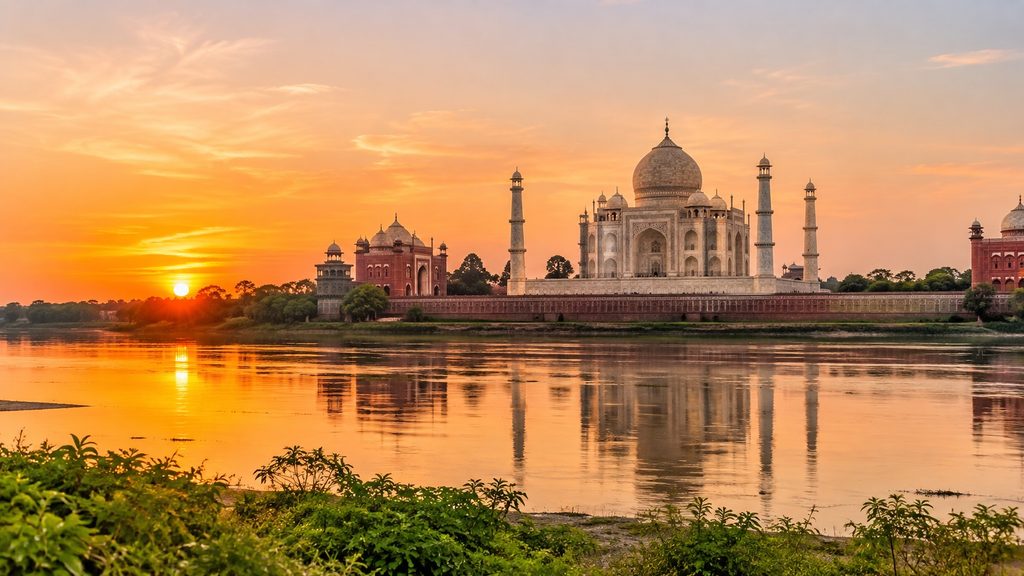
Sites across the Yamuna River from the Taj Mahal. From here the view of the mausoleum is framed by open sky and water rather than crowds. The garden itself is relatively calm, making it ideal for reflection, photography or simply sitting with a notebook. Early morning or late afternoon light softens the scene and rewards those who arrive without a rigid schedule.
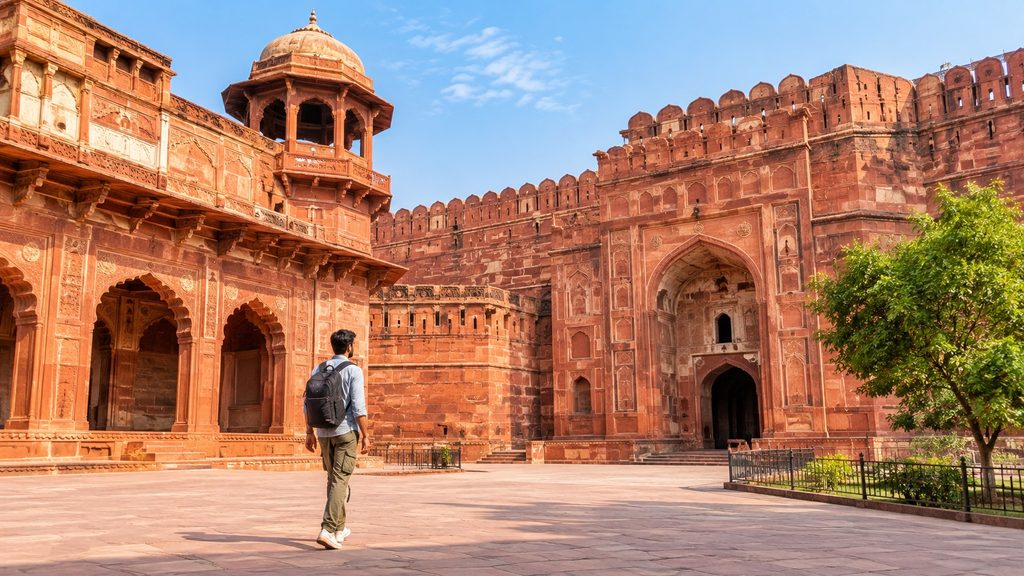
Agra Fort
Offers a different atmosphere. Its courtyards, audience halls and residential quarters reveal the practical and ceremonial life of the Mughal court. Walking the ramparts and exploring the interior spaces at your own pace lets you notice architectural details that group tours often rush past. The fort feels substantial and self-contained—well suited to solo exploration.
Itmad-ud-Daulah’s Tomb
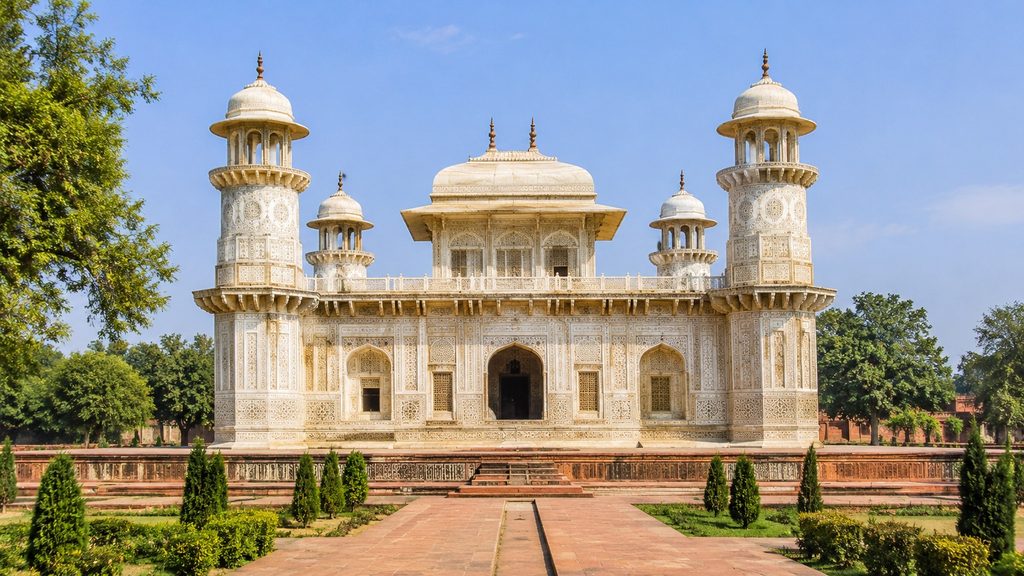
Sometimes called the “Baby Taj,” is a smaller marble structure known for its intricate inlay work. The scale is more intimate than the Taj Mahal, and the surrounding garden creates a peaceful setting. Many solo travellers appreciate the chance to study the craftsmanship without the intensity of larger crowds.
Akbar’s Tomb at Sikandra
Lies a short distance from the main city centre. The approach through gardens and the blend of Hindu and Islamic design elements make it a rewarding stop. The relative quiet compared with central Agra monuments adds to its appeal for independent visitors.
Beyond the monuments, local markets and food experiences add texture. Areas around the fort and older parts of the city offer traditional markets where you can observe daily commerce, sample street snacks or simply walk and absorb the atmosphere. These moments of ordinary city life often become the most memorable parts of a solo trip to Agra.
The Beauty of Exploring Agra at Your Own Pace
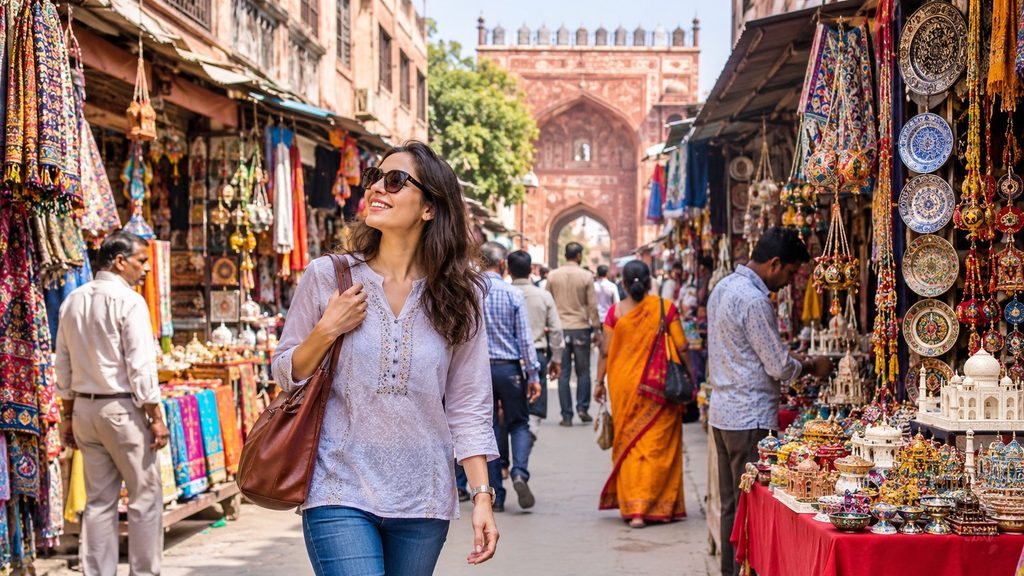
One of the quiet strengths of solo travel is freedom of timing. You can linger in a courtyard that feels special, return to a viewpoint for better light, or skip a site that no longer interests you. Photography benefits especially from this flexibility—waiting for softer light or an empty frame becomes possible when no one else is setting the schedule.
Agra local sightseeing works well when structured around personal interest rather than a packed checklist. Some travellers prefer longer visits to two or three sites; others mix monuments with market walks and riverside time. The city rewards this kind of unhurried approach.
Is Agra Safe and Comfortable for Solo Travellers?
Like any busy tourist destination, Agra requires ordinary caution. Choose reliable transportation rather than informal offers on the street. Keep valuables secure and out of easy reach in crowded areas. Share your approximate itinerary with someone trusted and check official monument timings in advance, as they can vary with seasons and days of the week.
Avoid isolated areas after dark and stick to well-lit, populated routes. Use verified accommodation and transport providers. These common-sense steps help most solo travellers move around comfortably. The presence of other visitors at major sites and the availability of organised transport options contribute to a generally manageable environment for independent exploration.
Why a Private Taxi Can Make Solo Travel Easier?
Moving between Agra’s monuments, gardens and markets is simpler with a private taxi. A reliable driver familiar with local routes reduces the need to negotiate auto-rickshaws or navigate public options repeatedly. You gain flexibility to adjust the order of visits, spend extra time at a preferred site, or combine several stops in one day without logistical friction.
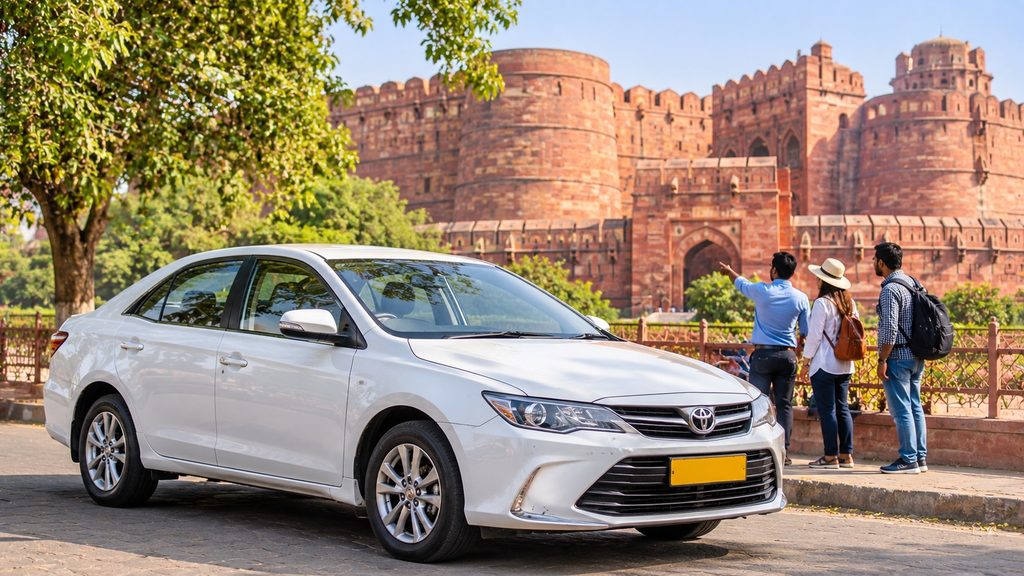
Comfortable transfers also matter in the heat or after long walks through large complexes. For many solo travellers, a private taxi in Agra removes a layer of daily decision-making and lets them focus on the places themselves. Local operators such as Agra Taxi Services can provide this kind of practical support for sightseeing and transfers when arranged in advance.
Practical Tips for Planning a Solo Trip to Agra
The cooler months from October to March generally offer the most comfortable weather for walking and outdoor exploration. Lightweight, modest clothing and comfortable walking shoes are practical choices. Carry water, especially during warmer periods, and protect yourself from strong midday sun.
A simple itinerary that prioritises two or three major sites per day usually works better than an overloaded schedule. Allow buffer time for traffic, security checks at monuments and spontaneous stops. Photography is widely permitted outdoors at most sites, though rules inside certain buildings should be checked on arrival.
An Agra travel guide focused on independent movement—rather than group itineraries—helps set realistic expectations. Combining one or two well-known monuments with quieter spots and local experiences often creates a more balanced and memorable visit.
Conclusion
Solo travel in Agra becomes richer when the Taj Mahal is treated as one highlight among several rather than the sole destination. The city’s forts, smaller tombs, riverside gardens and everyday streets offer space for personal discovery. With sensible planning, reliable transport and an open pace, a solo trip can leave lasting impressions of both the monumental and the ordinary sides of Agra.
When you are ready to move between these places with ease, a private taxi arranged through a local service such as Agra Taxi Services can support a flexible and comfortable itinerary.
FAQs
Yes. Agra works well for solo visitors who combine major monuments with quieter sites and plan reliable transport. Ordinary caution and verified services make independent exploration practical.
Mehtab Bagh, Agra Fort, Itmad-ud-Daulah’s Tomb, Akbar’s Tomb at Sikandra, and local markets offer rewarding experiences for independent travellers.
Two full days allow time for the main monuments plus one or two quieter sites and some local walking. A third day is useful if you prefer a slower pace.
Yes. Private taxis are commonly available for full-day sightseeing or transfers and can be arranged through local operators for flexible itineraries.
October to March generally offers the most comfortable weather for walking and outdoor visits.